
Why some IELTS students get lower band scores in Reading?
IELTS Advice
There can be several reasons why some IELTS students get lower band scores in Reading. Here are some common reasons:
- Poor time management: The Reading section of the IELTS test is time-bound, and candidates need to answer 40 questions in 60 minutes. If a candidate spends too much time on a particular question or section, they may not have enough time to answer the remaining questions.
- Lack of reading skills: The Reading section requires candidates to have strong reading skills, including the ability to skim and scan, understand complex vocabulary, and interpret information presented in graphs and charts.
- Incomplete understanding of instructions: Not understanding the instructions, such as failing to follow the word limit or ignoring the question format, can result in lower scores.
- Poor exam strategy: Some candidates may not read the questions carefully or may not prioritize answering the questions that carry more marks. They may also struggle to find relevant information in the given text.
- Inadequate practice: Not practicing enough before the exam can also result in lower scores. Candidates who have not practiced reading English texts regularly may struggle to finish the Reading section within the given time limit.
- Language proficiency: Lower scores in Reading can also be due to inadequate proficiency in the English language, including weak vocabulary, grammar, and comprehension skills.
Study Abroad







May and might
May and might Mastering the use of “may” and “might” can help you communicate with clarity and precision in English. While they may seem similar, these two modal verbs have distinct uses that make them essential for expressing possibilities, permissions, and...
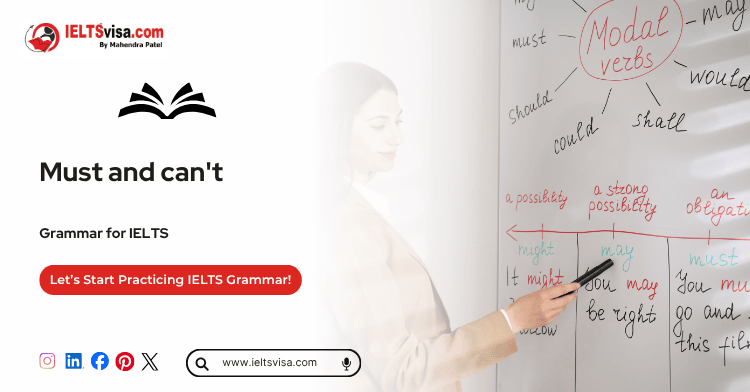
Must and can’t
Must and Can’t: A Comprehensive Guide to Usage, Meaning, and Examples Understanding modal verbs such as "must" and "can't" is crucial for mastering English grammar. These two verbs are powerful tools for expressing certainty, necessity, and impossibility. Whether you...

Can and Could
Difference Between Can and Could | Could vs Can Understanding the difference between "can" and "could" is essential for improving your English language skills. These modal verbs are frequently used in sentences, yet they serve different purposes. This guide is...